
iCapital Research – October 2025, Updated October 2026
At iCapital, we look for big trends that can run for many years, then use fundamental analysis to answer two questions: is the trend real, and which companies actually benefit? In our view, investment alpha usually comes from seeing a little further than the market, and understanding a little more deeply.
Aviation is one such trend. International arrivals to Vietnam are growing fast, Long Thanh International Airport is about to open, and Thailand, the region's largest tourism competitor, is losing momentum. But a growing industry does not automatically make money for investors. This article goes step by step: how fast demand will grow, whether airports can handle it, where the money really sits in the industry, and finally which groups of companies are worth watching.
1. Demand: why we start with international tourists
The industry story revolves around the number of international flights. And most international flyers in Vietnam are foreign tourists, about three quarters of demand. Vietnamese travelling abroad account for nearly a fifth, business travellers only a small share. Forecast tourists correctly and you have most of the story.
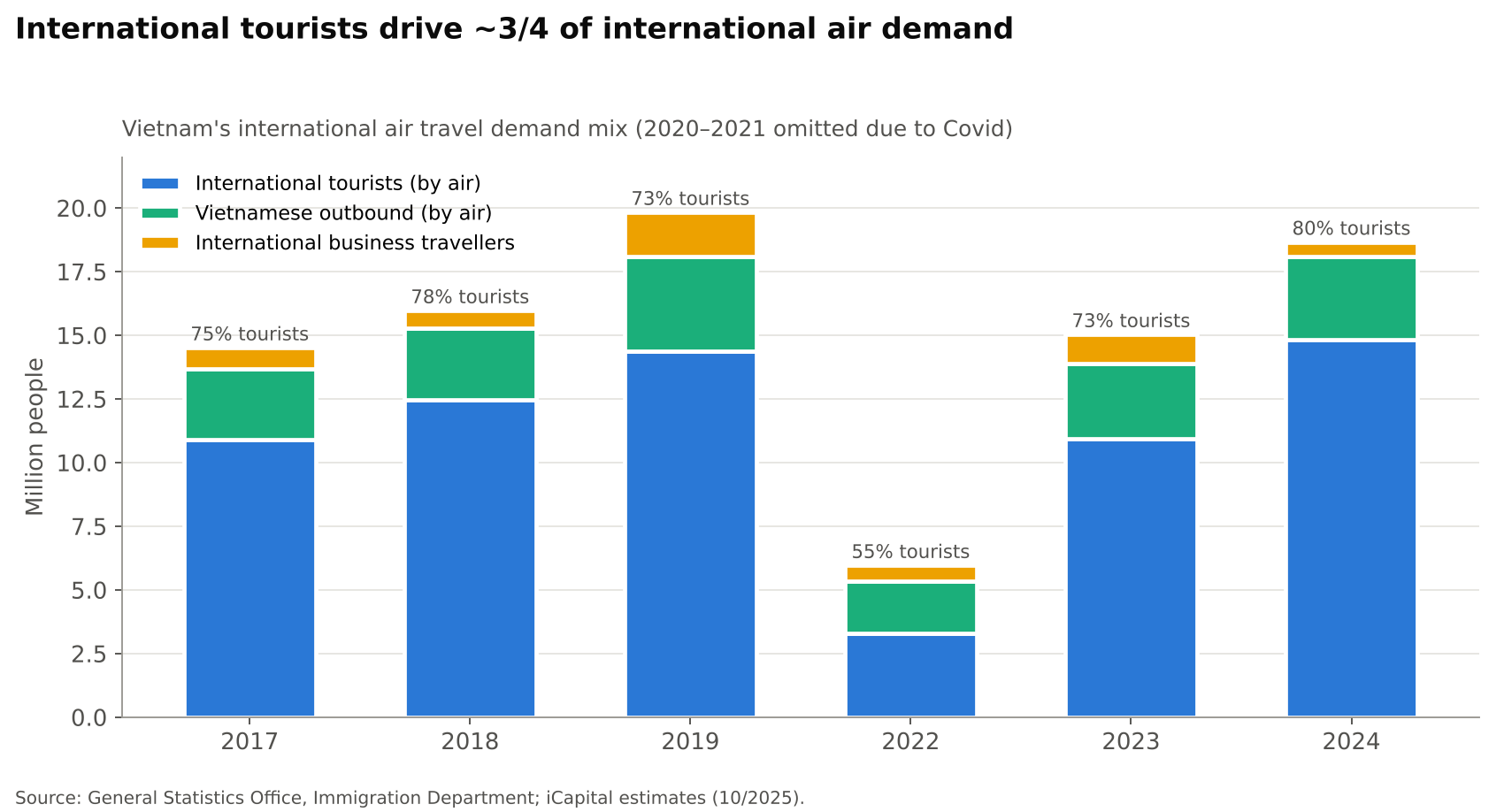 Figure 1. Source: General Statistics Office, Immigration Department; iCapital estimates (10/2025).
About 85% of international visitors arrive by air, and each round trip generates roughly two airport passages. For Vietnamese outbound and business travel, we assume growth of about 7% a year, in line with incomes and the expanding middle class.
Following the paths of Thailand, Japan and Malaysia
In Asia, the 15-million-visitor mark often signals the start of an acceleration phase. Japan went from 15 to 30 million in about six years (2014–2019), and Thailand in about six years as well (2010–2016). Malaysia is the counter-example: it passed 15 million in 2004 but then stalled at around 25–27 million throughout 2010–2019.
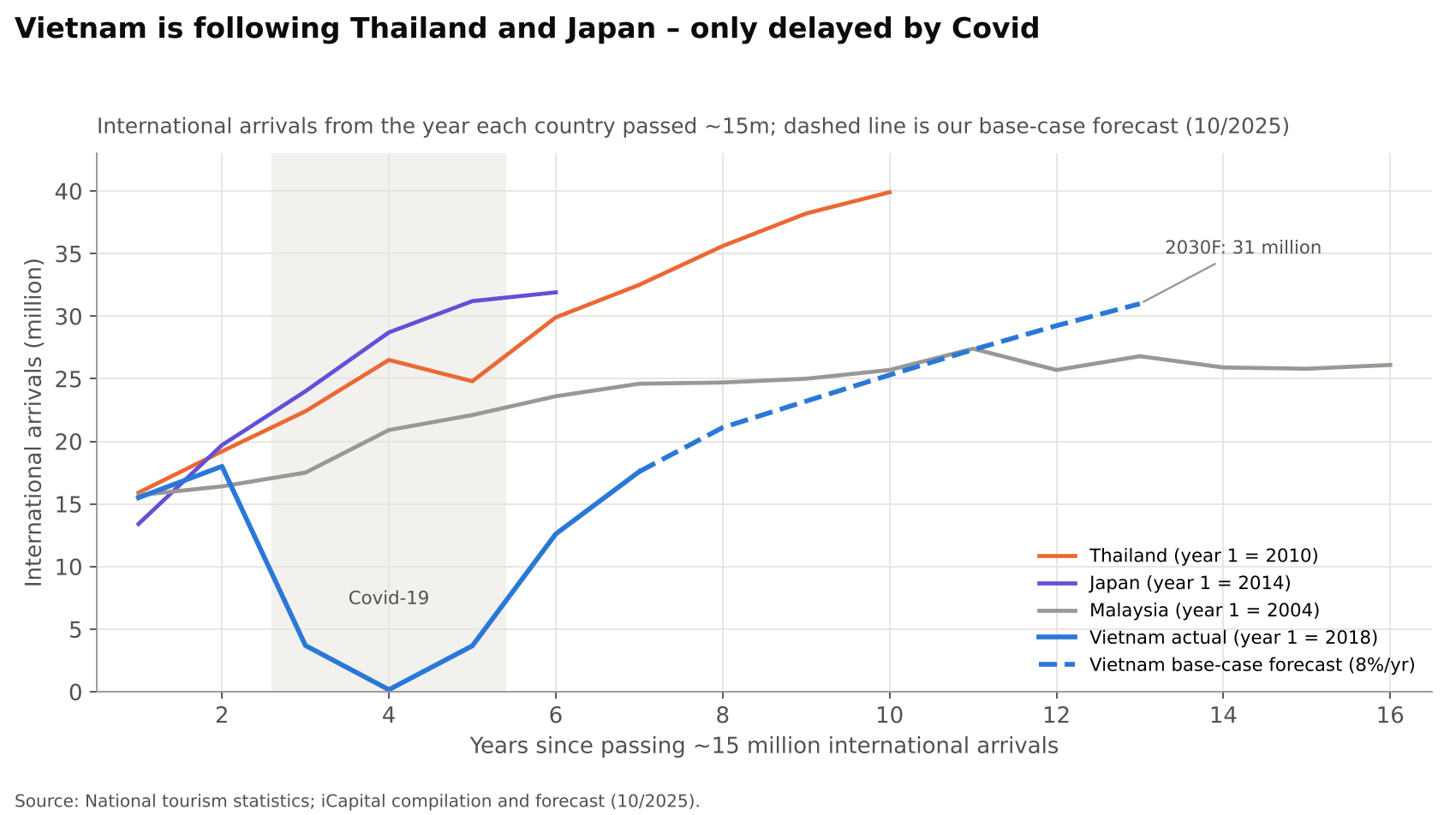 Figure 2. Source: national tourism statistics; iCapital compilation and forecast (10/2025).
Vietnam crossed 15 million in 2018, then lost three years to Covid. We believe Vietnam will follow Thailand rather than Malaysia, for three reasons.
First, major source markets still have plenty of room. In 2024, Indian arrivals to Vietnam were only about 0.5 million, or 0.03% of India's population, compared with 0.3% for China. The US, Japan and Russia are also low compared with markets where Vietnam has done very well, such as South Korea (8.1% of population) and Taiwan (5.8%).
Second, visa policy is opening up: 90-day multiple-entry e-visas and 45-day visa exemptions for many countries. The two largest markets, China and India, still do not enjoy visa exemption, which leaves policy upside.
Third, Thailand is losing appeal because of safety concerns (scams and kidnappings across the Cambodian border), rising costs and political instability. Vietnam, meanwhile, offers diverse landscapes, lower costs and less commercialisation, much like Thailand before its boom.
Cross-checking these country paths against IATA's regression model, our base case assumes 8% annual growth in 2026–2030, after roughly 20% growth in 2025. That puts Vietnam at about 31 million international visitors by 2030.
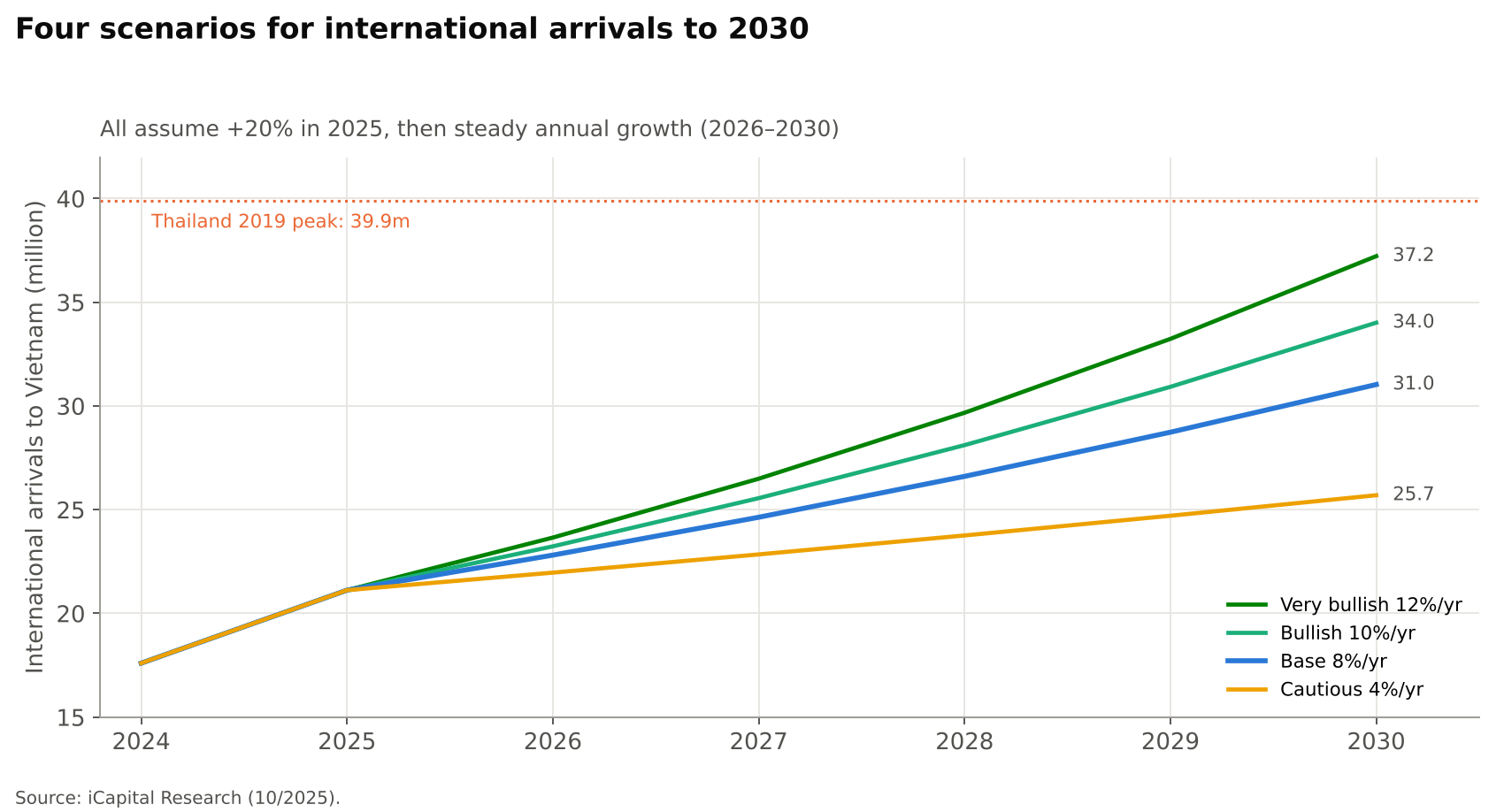 Figure 3. Source: iCapital Research (10/2025).
| Scenario | International arrivals 2026–2030 | International air passengers / arrivals ratio | Service prices at Long Thanh |
|---|---|---|---|
| Very bullish | +12% a year | 2.3 → 2.8 | +10%, +5%, +5% (2028–2030) |
| Bullish | +10% a year | 2.3 → 2.8 | +10%, +5%, +5% (2028–2030) |
| Base | +8% a year | 2.3 → 2.5 | +5% once in 2028 |
| Cautious | +4% a year | stays at 2.3 | +5% once in 2028 |
Source: iCapital Research (10/2025).
2. Supply: airports are the bottleneck
In the years after Covid, Vietnam did not lack visitors but it lacked slots, the approved windows for take-off and landing. Tan Son Nhat can efficiently handle only about 30–40 million passengers a year; runways are shared, and domestic airlines hold many slots and are often delayed. Foreign carriers wanting to add flights simply had no room. By our estimates, international demand in 2025 already exceeded the effective capacity of the main airports.
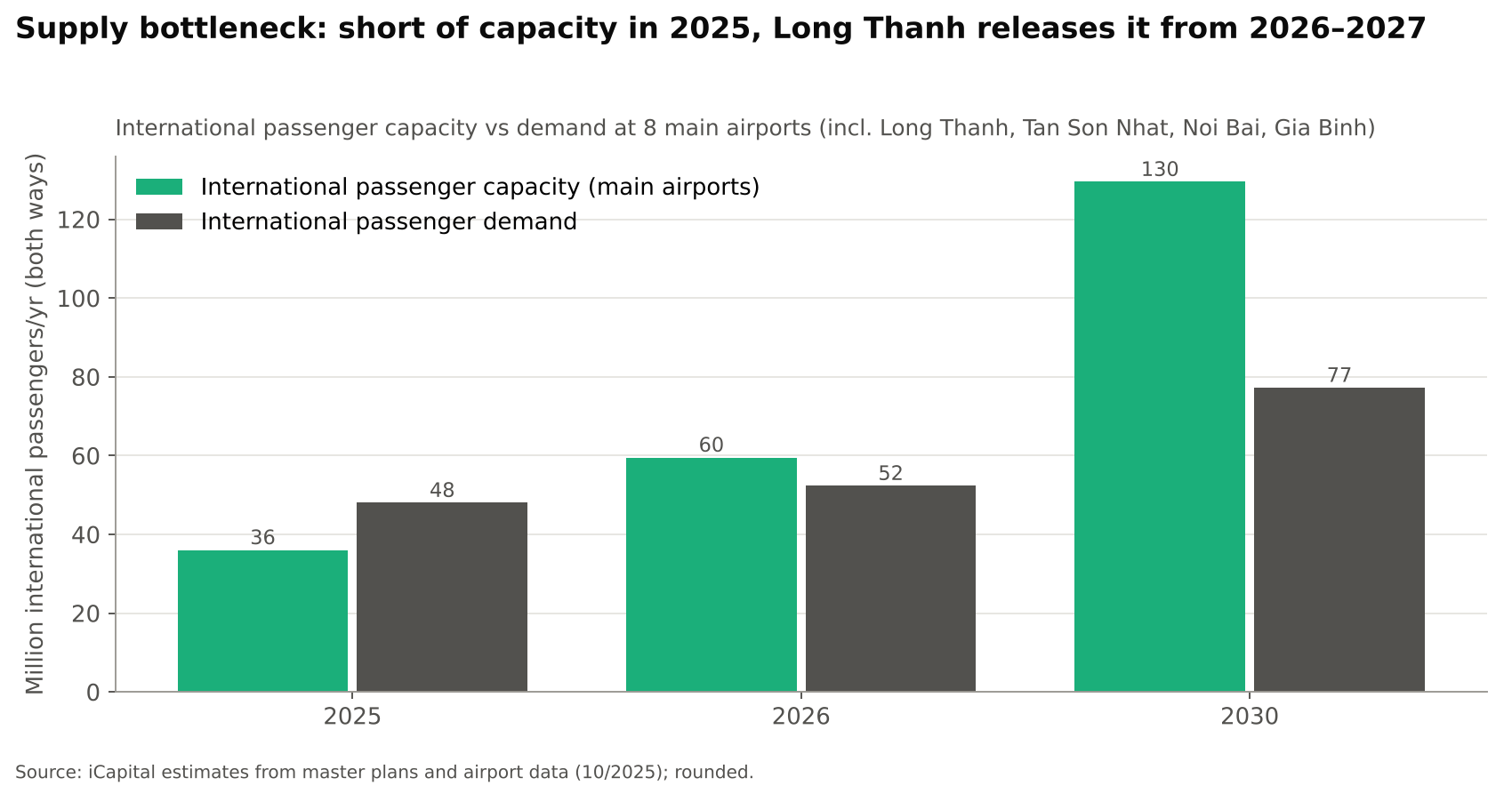 Figure 4. Source: iCapital estimates based on master plans and airport data (10/2025).
Phase 1 of Long Thanh has capacity of 25 million passengers a year, about 1.5 times Tan Son Nhat's international traffic in 2019. Together with Gia Binh and the expansions of Noi Bai, Da Nang and Cam Ranh, this will remove the bottleneck. By our calculations, Long Thanh phase 1 alone is enough to serve international demand until around 2030.
The two-airport model
Under ACV's plan, Tan Son Nhat will mainly handle domestic flights while Long Thanh becomes the international gateway. Seoul (Incheon – Gimpo), Tokyo (Narita – Haneda) and Bangkok (Suvarnabhumi – Don Mueang) all work this way. The main concern is the 40 km distance from central Ho Chi Minh City. According to ACV, the expressway trip takes about 40–45 minutes, close to the rush-hour drive to Tan Son Nhat. Incheon also relied on expressways alone in its early years; rail links came later.
The transition runs in three phases through late 2027. During this period, international–domestic transfer passengers will have to switch airports, and service companies must hire staff and buy equipment before revenue arrives.
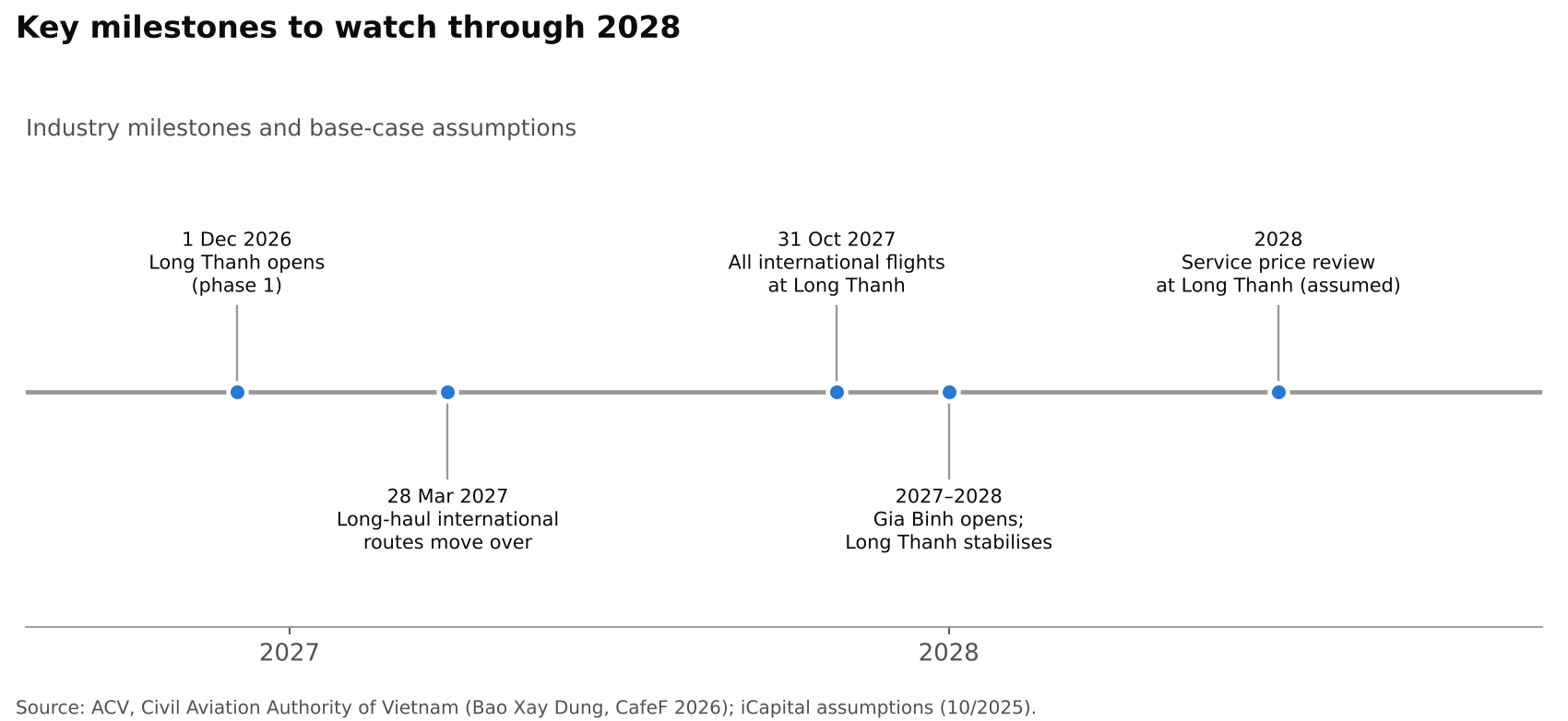 Figure 5. Source: ACV, Civil Aviation Authority of Vietnam (Bao Xay Dung; The Leader); iCapital assumptions.
What about transit passengers?
Long Thanh is designed to be a regional transit hub, and on paper it ranks behind only Incheon and Changi.
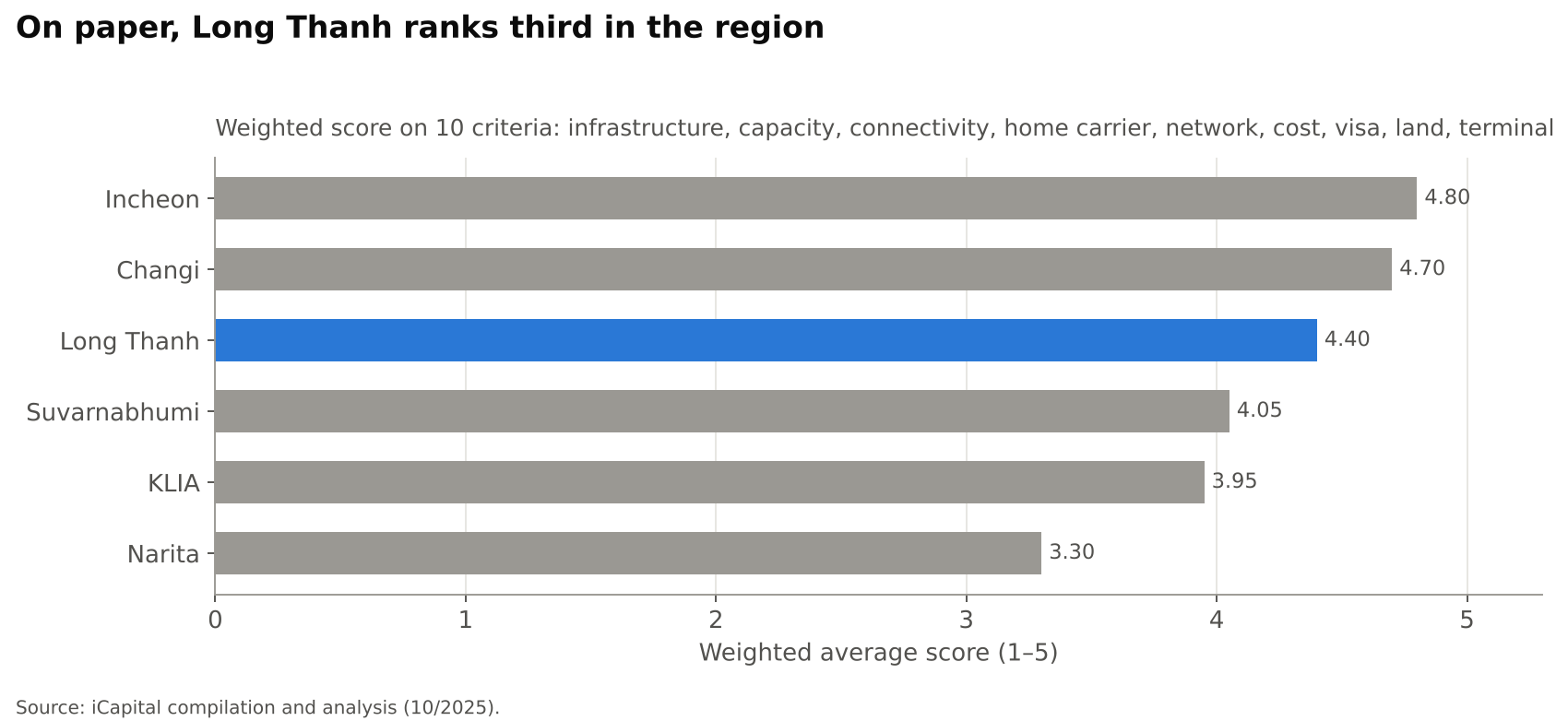 Figure 6. Source: iCapital compilation and analysis (10/2025).
Even so, we have not included transit demand in our forecasts. Long Thanh must compete head-on with Changi and Suvarnabhumi, both of which are expanding while the transit routes from Asia to America or EU are much more convenient geographically through South Korea, Japan and the Middle East. A transit hub needs a strong home carrier to feed it, like Singapore Airlines or Emirates, and Vietnam Airlines is not there yet. Transit visa policy is unclear and operations are untested. The region's major hubs took 10–40 years to reach transit shares of 13–30%. We treat transit as a possible bonus and will add it once the share genuinely exceeds about 5%.
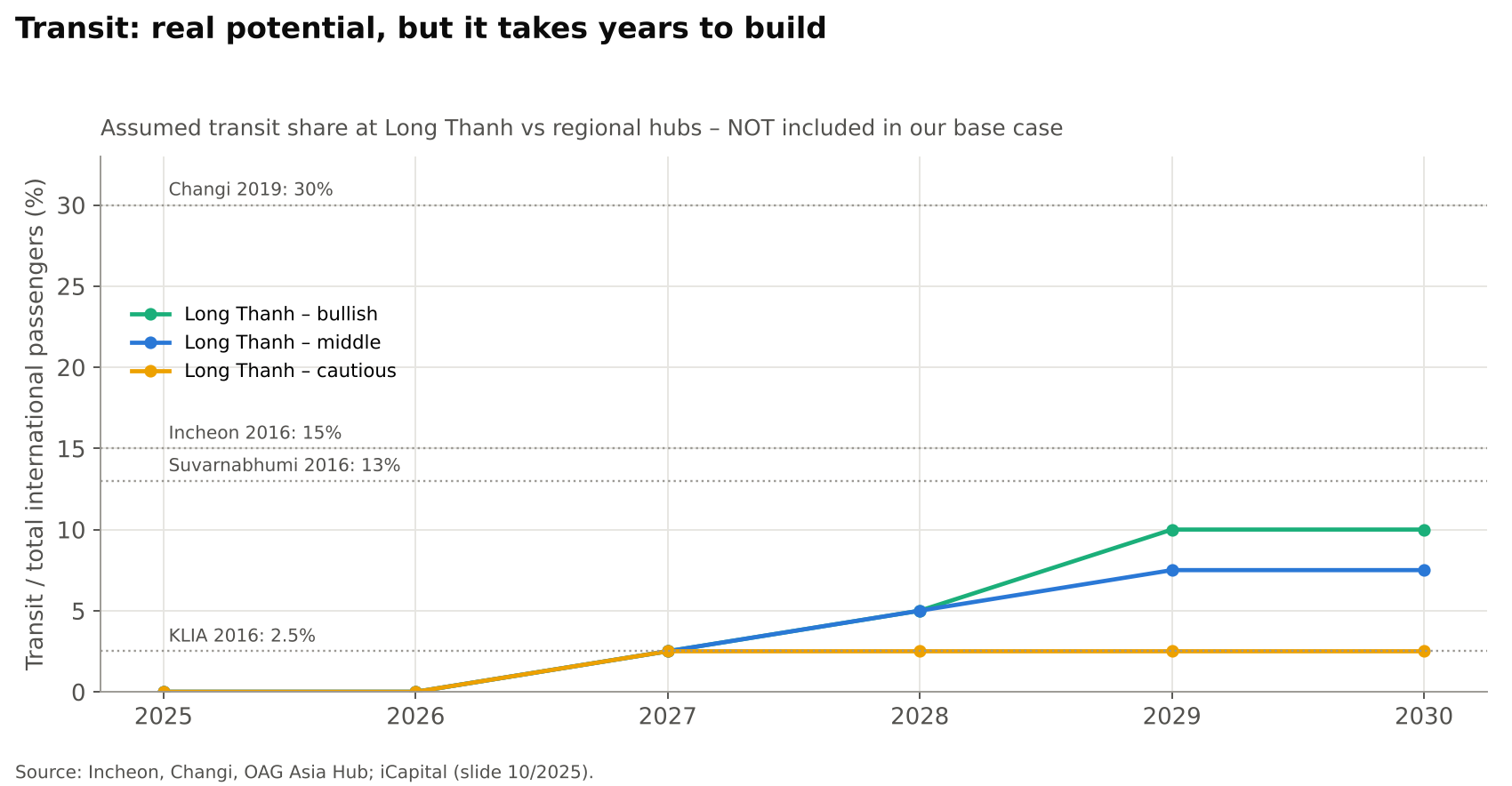 Figure 7. Source: Incheon, Changi, OAG Asia Hub; iCapital (10/2025).
Pricing: an overlooked upside
Airport charges in Vietnam are the lowest in the region. For the same A321, the landing fee at Changi is almost four times that at Tan Son Nhat. Long Thanh is a 4F-class airport, a step above Tan Son Nhat (4E), and ACV has said any price increase would be based on new infrastructure and services. International handling prices have been almost flat for ten years, moving only with the exchange rate. Our base case assumes just one 5% increase in 2028.
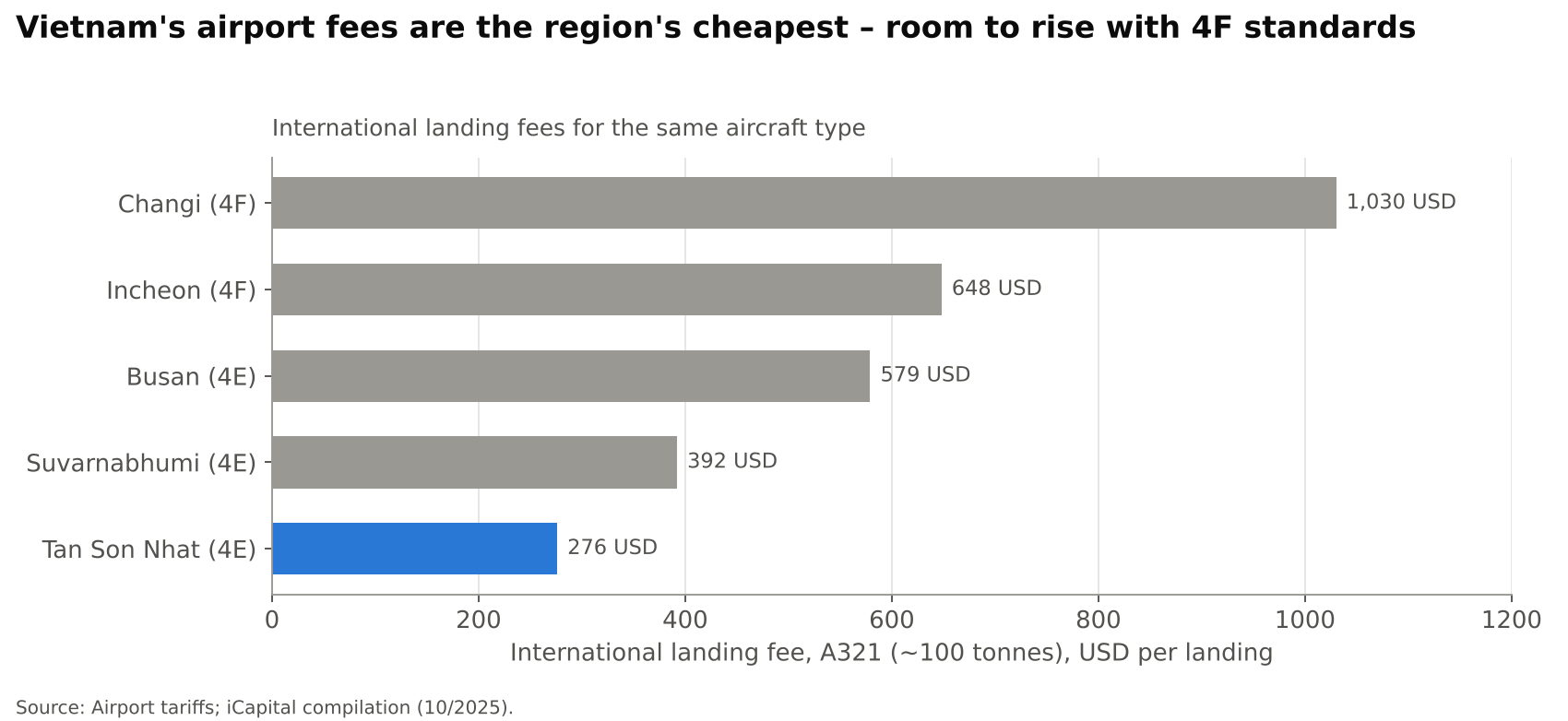 Figure 8. Source: airport tariffs; iCapital compilation (10/2025).
3. A growth industry, but the money is not in the airlines
Most people think of airlines first. In fact, airlines are the weakest link in the value chain. McKinsey's data for 2012–2022 shows airlines worldwide earned a return on invested capital (ROIC) of only about 2–4% a year, below their cost of capital, and highly volatile. Service businesses such as freight forwarding, fuel, ground handling and catering earned more, and more consistently.
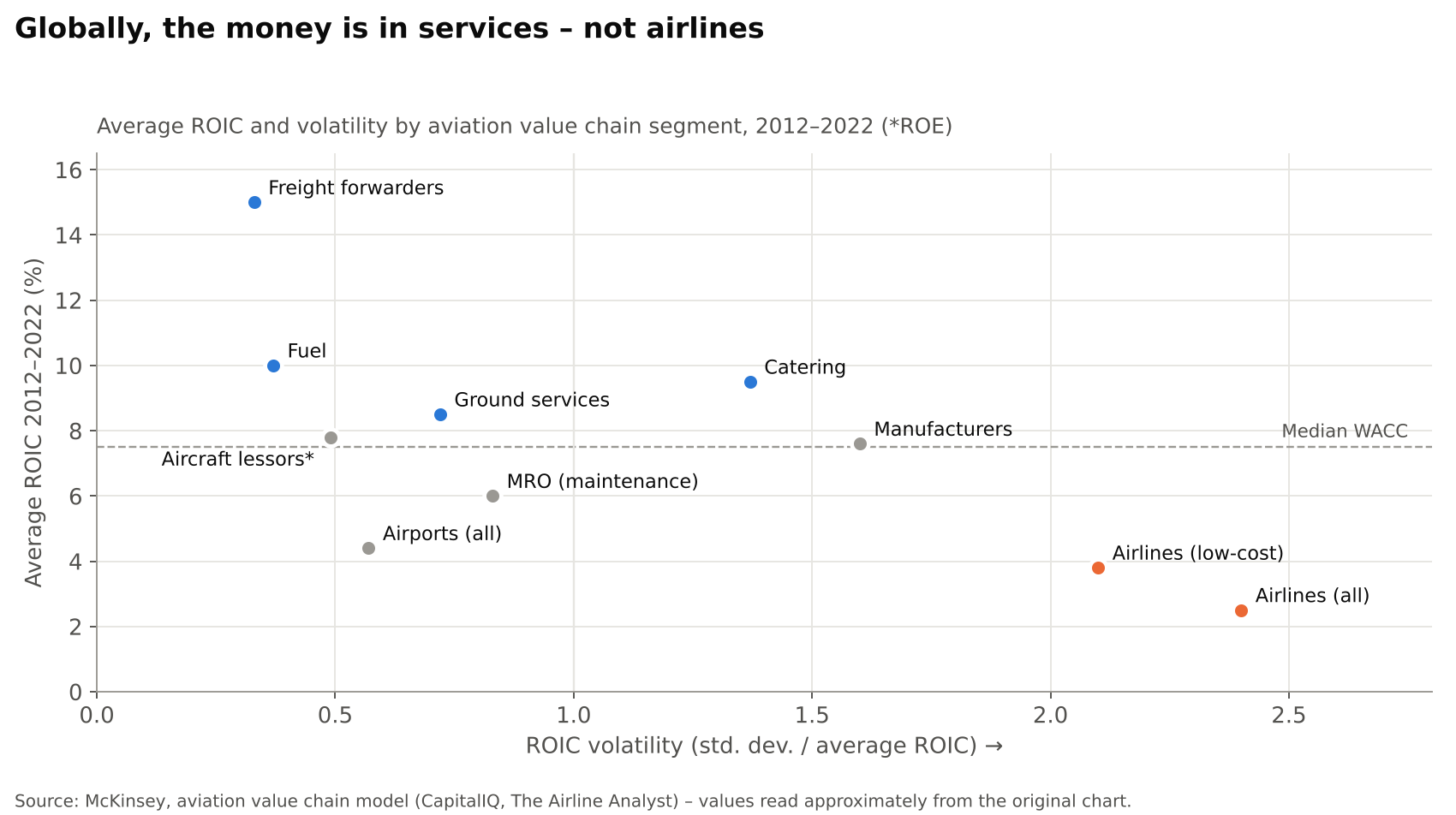 Figure 9. Source: McKinsey, aviation value chain model (CapitalIQ, The Airline Analyst); values read approximately from the original chart.
Vietnam looks the same. Ground handling, cargo terminal and non-aeronautical service companies such as SGN, NCT, SCS and AST averaged ROIC of roughly 40% to over 60% in 2017–2024 (excluding Covid years), while the two listed airlines, HVN and VJC, earned less with far more volatility.
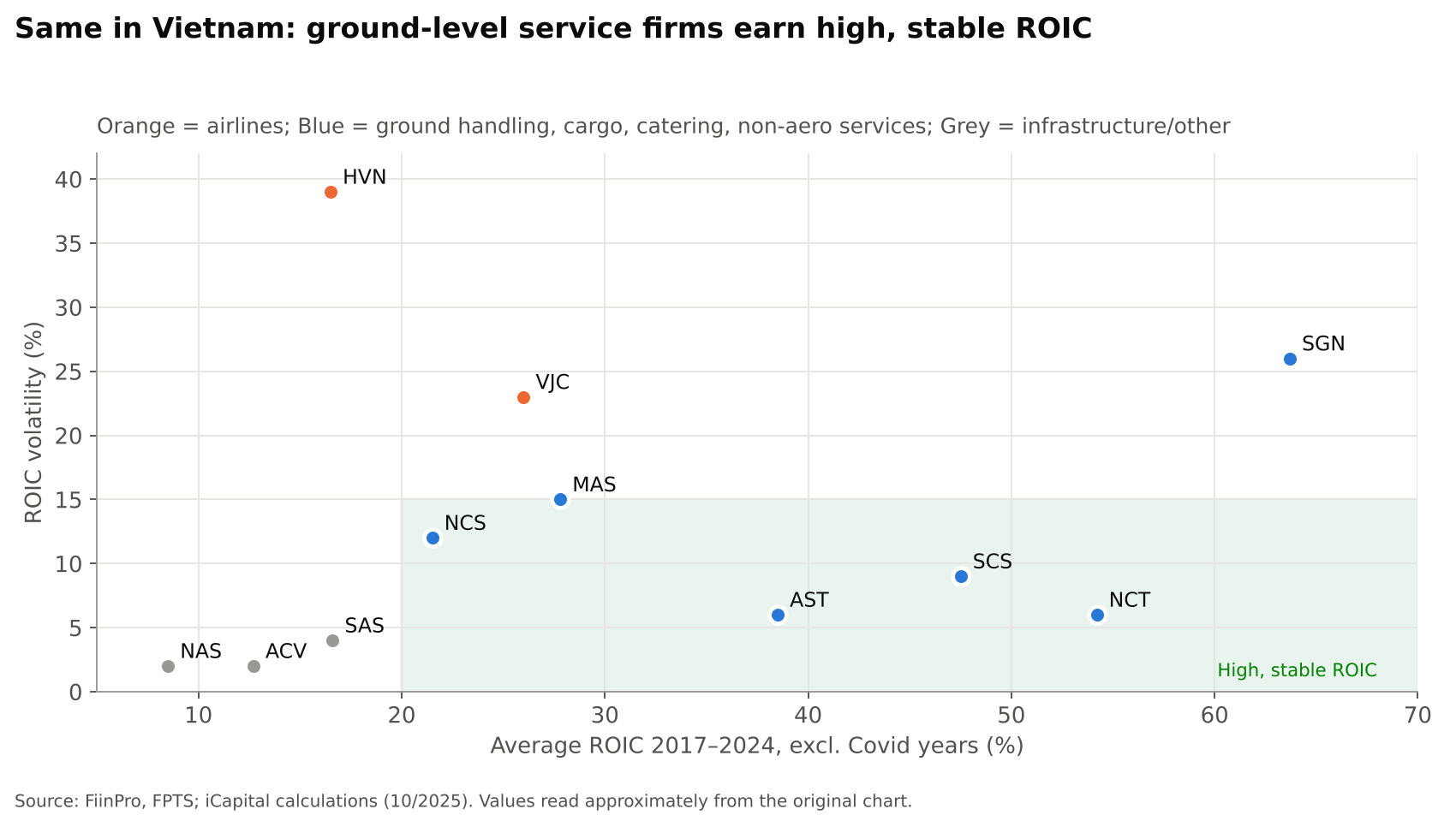 Figure 10. Source: FiinPro, FPTS; iCapital calculations (10/2025). Values read approximately from the original chart.
The reason is the nature of the business. Each airport licenses only 2–3 ground handlers or cargo terminal operators, because aprons, check-in counters and terminals are limited. These businesses need little capital; most costs are people and outsourced services. Airlines, by contrast, carry fuel, currency and fierce fare competition. Airports enjoy a monopoly but must invest heavily, and their fees are set by the State.
4. A good industry: which companies to watch?
Choosing the right company starts with understanding each group's operating leverage, that is, how much profit grows when revenue grows 10%.
Cargo terminals have high fixed costs: once the terminal is built, an extra tonne costs almost nothing. Gross margins are therefore very high, about 80% at SCS and 45% at NCT, but profits also fall quickly when volumes drop.
Ground handling and non-aeronautical services are different. Most costs flex with volume, so they rarely suffer heavy losses, even during Covid. Their leverage comes from the passenger mix: an international flight brings in about three times the revenue of a domestic one, while costs are only about 70% higher. The higher the share of international passengers, the wider the margin.
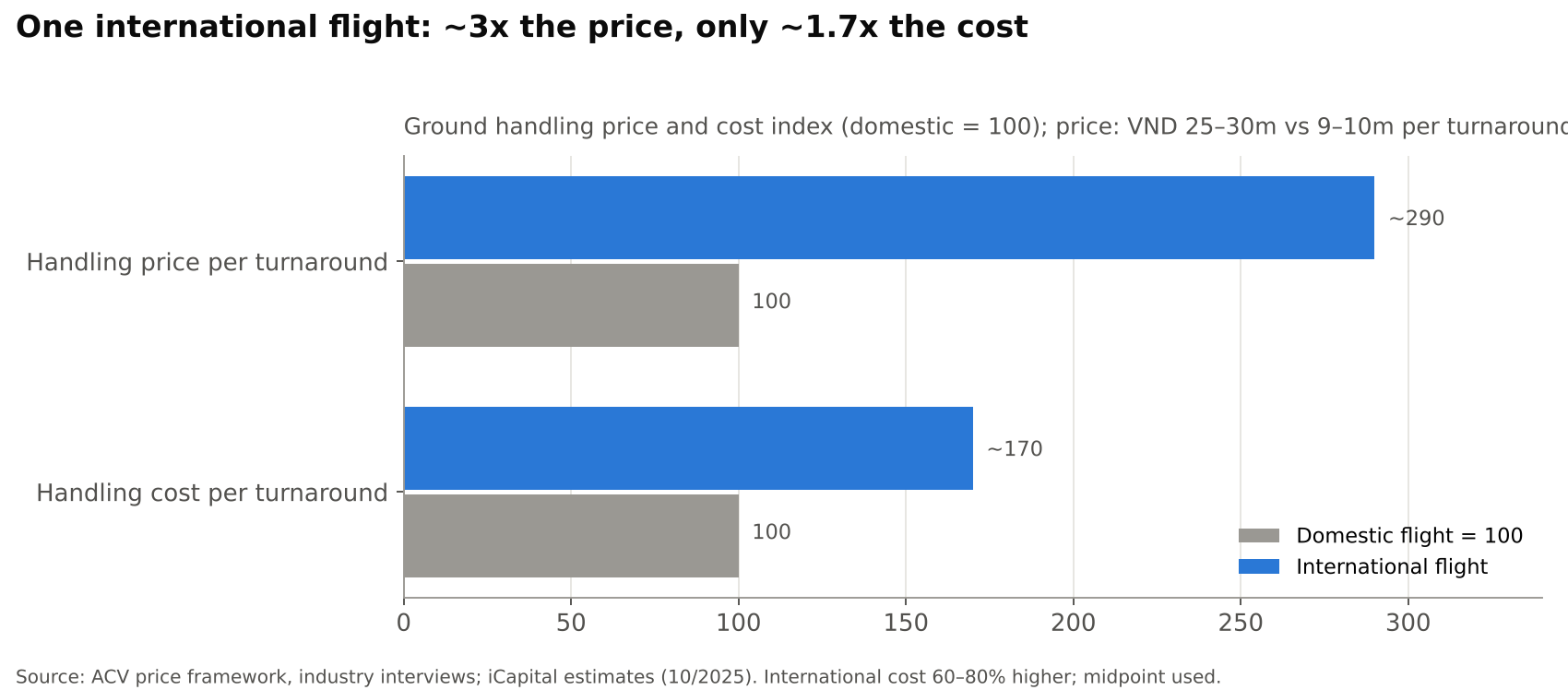 Figure 11. Source: ACV price framework, industry interviews; iCapital estimates (10/2025).
Based on this, we suggest the following groups to watch:
| Group | Companies | What drives them | Long Thanh: opportunity or risk? |
|---|---|---|---|
| Ground handling | SGN (SAGS) | Ground handling at Tan Son Nhat, Da Nang and Cam Ranh; the most direct beneficiary of additional international flights | Has set up a Long Thanh subsidiary |
| Non-aeronautical services | AST (Taseco Airs), SAS (Sasco) | International passenger numbers and spending per passenger; gross margins around 63–65% | AST has set up a Long Thanh subsidiary; SAS depends on space tenders |
| Cargo terminals | NCT (Noi Bai), SCS (Tan Son Nhat) | Trade and supply chains more than tourism | Neutral for NCT; biggest risk for SCS as international cargo moves to Long Thanh |
| Catering | NCS | Flight numbers, especially Vietnam Airlines | Neutral |
Source: iCapital Research (10/2025); DNSE; CafeF; Nguoi Quan Sat; The Leader.
The most important question for the next few years is simple: which companies will have a foothold at Long Thanh, where most of southern Vietnam's international passengers will pass through. For long-term investors, businesses that sit at an infrastructure bottleneck, need little capital and see margins rise with the international mix are a good place to start.
This is a research view, not a buy or sell recommendation.
2026 update
In 2025, Vietnam welcomed 21.2 million international visitors, up 20.4%, almost exactly our assumption (Cong Thuong). The first nine months of 2026 reached 17.7 million, up 14.5%, ahead of even our most bullish scenario (Bao Van Hoa).
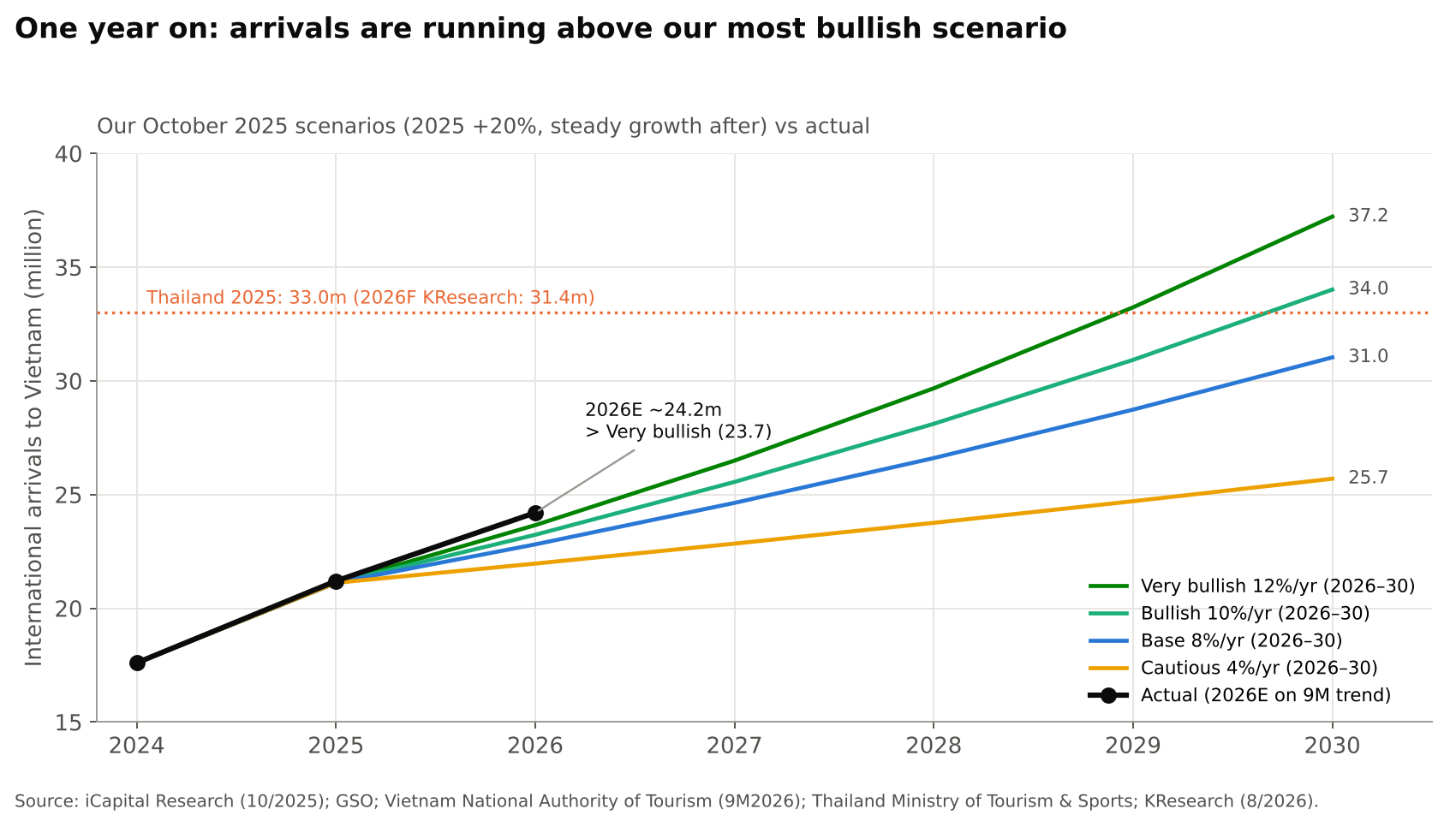 Figure 12. Source: iCapital Research (10/2025); General Statistics Office; Vietnam National Authority of Tourism; Thailand Ministry of Tourism and Sports; KResearch. 2026E: estimate based on the nine-month trend.
Thailand moved the other way: 33.0 million arrivals in 2025 (–7.2%) and a further 3.1% decline in the first eight months of 2026 (Asia News Network; The Nation). Vietnam has overtaken Thailand in Chinese visitors (5.3 vs 4.5 million) and Korean visitors (4.3 vs 1.6 million), but still lags far behind in India, Russia and Malaysia.
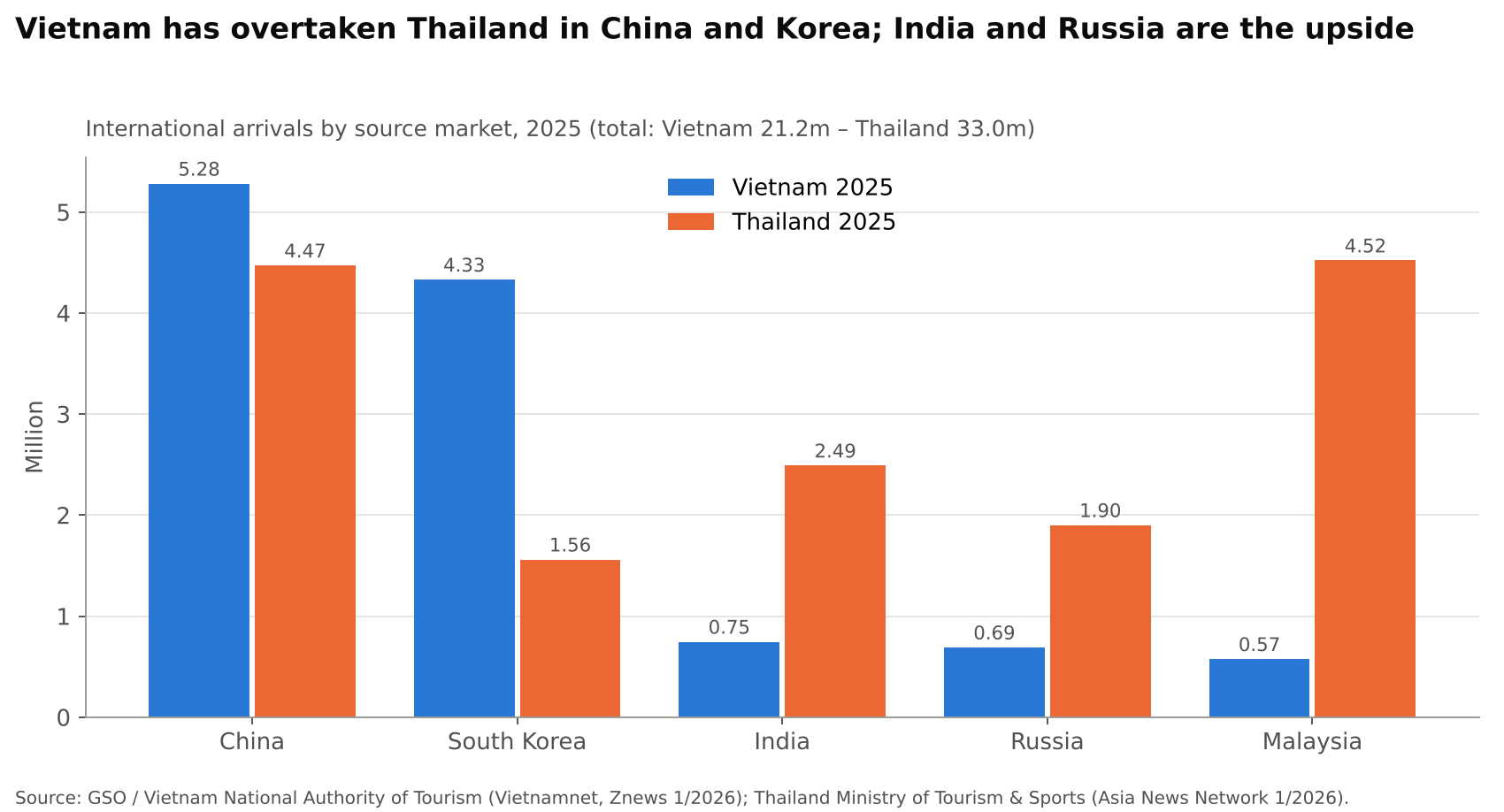 Figure 13. Source: General Statistics Office / Vietnam National Authority of Tourism (Vietnamnet, Znews); Thailand Ministry of Tourism and Sports (Asia News Network).
Notably, the growth drivers have shifted. In the first nine months of 2026, China grew only 1.5% and South Korea fell 5.5%. Growth came mainly from Russia (+161%), India (+33%), ASEAN and Europe (+55%).
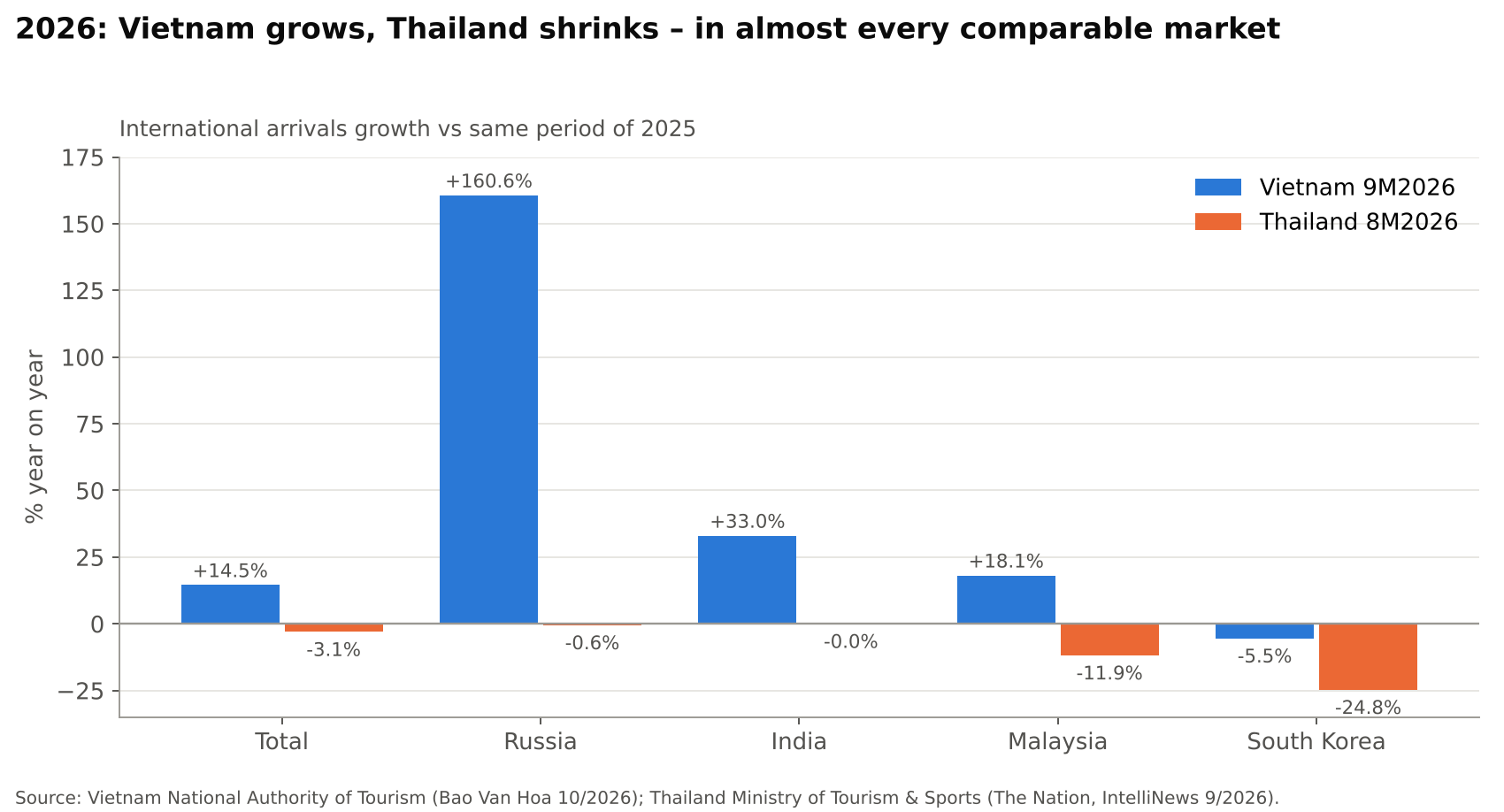 Figure 14. Source: Vietnam National Authority of Tourism (Bao Van Hoa); Thailand Ministry of Tourism and Sports (The Nation).
On infrastructure, Long Thanh is about six months behind the original expectation and will start commercial operations on 1 December 2026, initially with up to 366 flights a week, 44 of them international (CafeF). Thirty-four airlines are preparing to operate there (VnEconomy).
On the corporate side, nine-month 2026 results show the international-passenger group doing well: SAS profit up 64% (partly from dividends on investments), AST up 31%, and SGN up 27% despite no longer serving Vietjet at Tan Son Nhat (CafeF). Cargo slowed: SCS edged down 1% as volumes fell with disruption to Middle East routes, while NCT rose 20% over nine months but fell 14% in Q3 on higher costs (Mekong ASEAN; Nguoi Quan Sat).
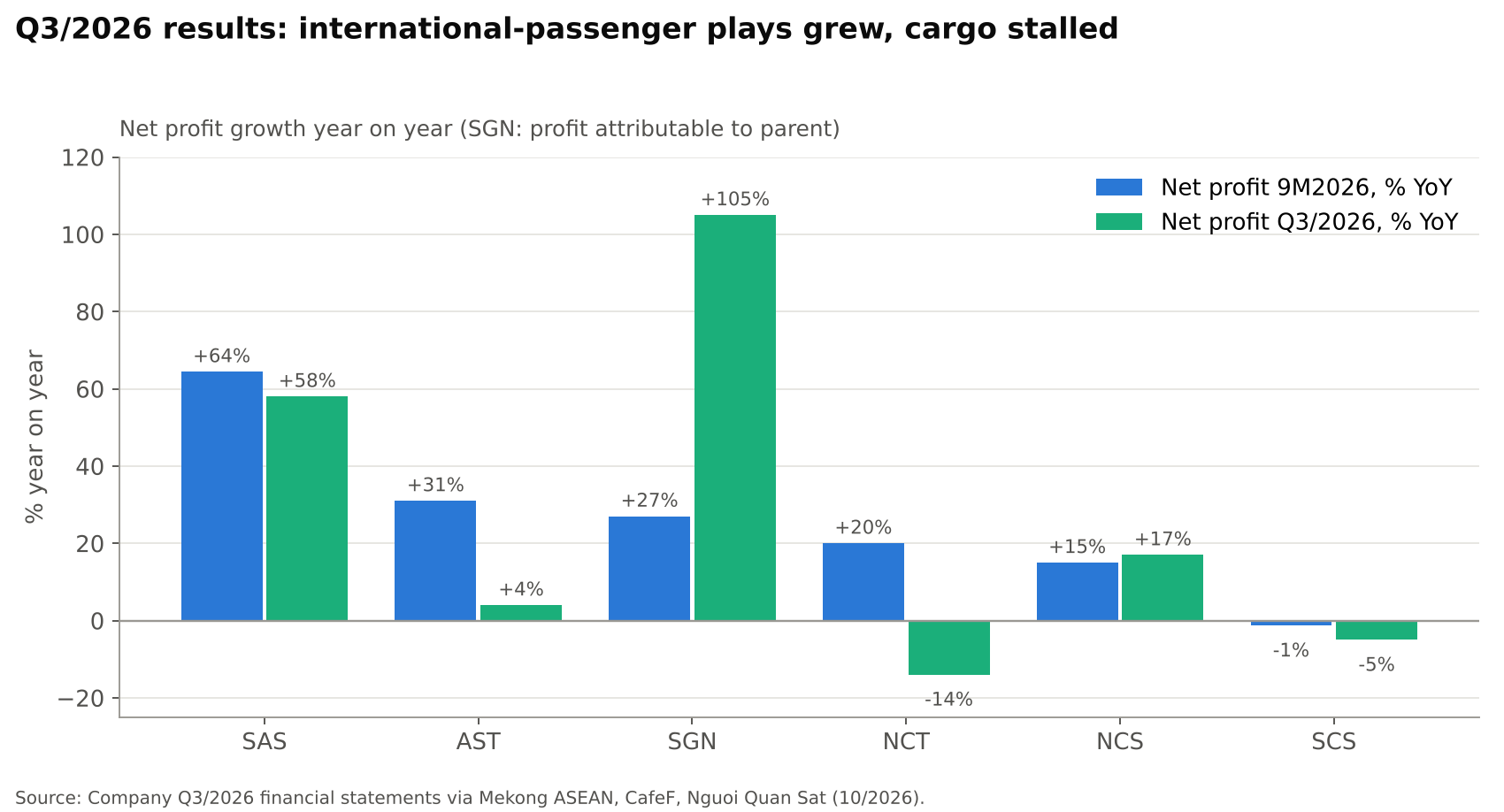 Figure 15. Source: company Q3/2026 financial statements via Mekong ASEAN, CafeF, Nguoi Quan Sat (10/2026). SGN: profit attributable to parent.
References
- iCapital Research, aviation sector report (10/2025) – internal document.
- McKinsey, aviation value chain model 2012–2022 (CapitalIQ, The Airline Analyst).
- Cong Thuong – International arrivals to Vietnam in 2025
- Vietnamnet – Record international arrivals in 2025
- Znews – Chinese arrivals to Vietnam overtake Thailand
- Bao Van Hoa – International arrivals up 14.5% in 9M2026
- Asia News Network – Thailand tourism slips in 2025 despite domestic growth
- The Nation – Foreign arrivals to Thailand decline 3% in first eight months
- KResearch – International Tourist Arrivals (8/2026)
- Bao Xay Dung – Long Thanh to start commercial operations on 1/12/2026
- CafeF – Long Thanh to operate up to 366 flights a week
- VnEconomy – 34 airlines preparing to operate at Long Thanh
- The Leader – ACV profit and targets
- The Leader – SCSC record profit and the Long Thanh turn
- Mekong ASEAN – Q3 aviation services results
- Nguoi Quan Sat – Taseco Airs (AST) 9M2026 results
- CafeF – Comparing Vietnam's two largest airport retailers
This article shares a research view and is not a recommendation to buy or sell securities. Information is for reference only; past performance does not guarantee future results.